
Clearing Drains Without Repeat Calls
Drain Repair in Buckeye for homes where clogs return within weeks of clearing
Drains that clog repeatedly usually have an underlying structural problem—caliche intrusion, hard water mineral deposits, or root penetration—that mechanical clearing doesn't address. Crest Plumbing LLC runs a camera inspection before any mechanical cleaning to confirm whether you're dealing with a temporary obstruction or a line that needs spot repair or relining. Verrado and Sundance neighborhoods commonly see narrowed drain lines from mineral buildup because Buckeye's hard water precipitates calcium and magnesium inside pipes, reducing flow diameter over time until even normal use causes backups. Snaking a line that actually needs structural repair just clears the symptom temporarily and guarantees the clog will return.
The camera inspection reveals whether the blockage is grease, debris, or root intrusion, and whether the pipe itself has cracked, separated at joints, or collapsed under soil pressure. This root-cause diagnosis determines whether the line needs snaking, hydro jetting, spot repair, or full relining—treating the actual problem instead of the symptom prevents repeat service calls and wasted money on temporary fixes.
Schedule a camera inspection to determine the cause of your drain problem before choosing a clearing method.
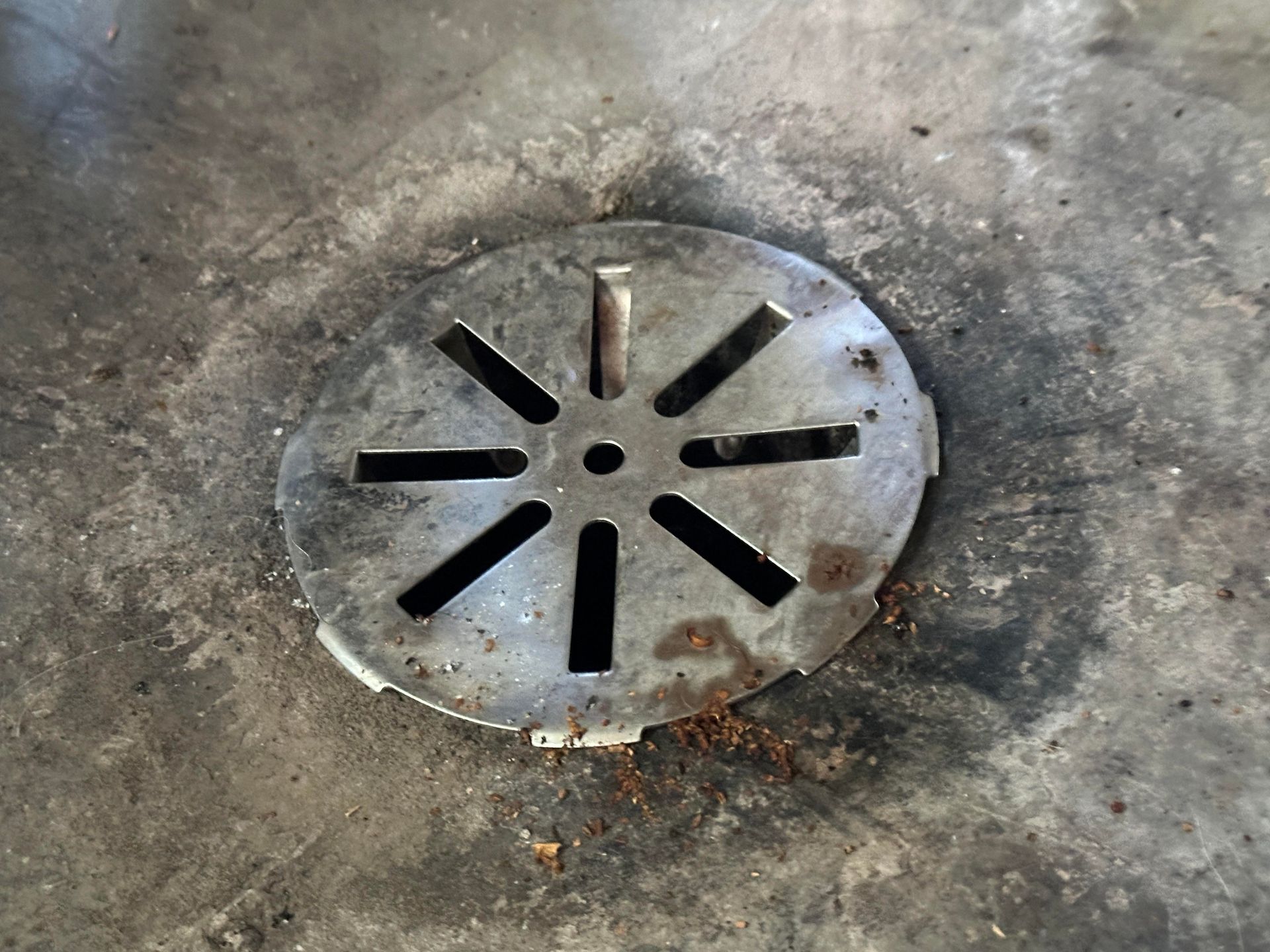
Why Drains Fail and How to Stop It
Repair or clearing begins only after the camera confirms what's causing the blockage and whether the pipe structure is intact. Hydro jetting removes scale and mineral buildup by blasting high-pressure water through the line, but it's only effective if the pipe walls can handle the pressure—older or cracked lines require gentler snaking or immediate repair to prevent further damage. Caliche soil shifts under Buckeye's temperature swings, and that movement cracks rigid drain lines or separates joints, allowing soil and roots to infiltrate and create blockages that mechanical clearing can't permanently resolve.
Once the line is cleared or repaired and camera-verified, you'll notice drains empty at normal speed without gurgling or slow drainage, and the problem doesn't return after a few weeks because the underlying cause was addressed. Licensed work means the repair is code-compliant and passes inspection, which matters if you're selling the property or if the drain line serves multiple fixtures that would all fail if the repair is done incorrectly.
This service covers drain line clearing, spot repair, and relining, but it does not include main sewer line replacement or septic system work, which require excavation permits and different equipment.
Answers to Frequent Drain Questions
Drain repairs in Buckeye often raise questions about why clogs return, what the camera inspection shows, and whether a licensed plumber is necessary or if a handyman can handle the work.
What does the camera inspection show before clearing the drain?
The camera reveals whether the blockage is grease, debris, roots, or mineral buildup, and whether the pipe has cracks, joint separations, or caliche intrusion—these findings determine which clearing method will actually solve the problem instead of just postponing it.
How does hard water cause drain clogs in Buckeye?
Mineral deposits precipitate out of hard water and coat the inside of drain lines, narrowing the diameter over time—eventually the reduced flow capacity can't handle normal drainage volume, and backups occur even without grease or debris blockages.
When should I choose hydro jetting instead of snaking?
Hydro jetting is more effective for removing scale and mineral buildup because the high-pressure water scours the pipe walls clean, but it's only safe if the camera inspection confirms the pipe is structurally sound and won't crack under pressure.
Why do some drain clogs return within a few weeks?
If the blockage was caused by a cracked pipe, root intrusion, or soil infiltration, clearing the obstruction doesn't fix the structural problem—the line will clog again as soon as debris accumulates at the same failure point.
What's the difference between spot repair and full relining?
Spot repair replaces or patches a single damaged section of pipe, while relining coats the entire interior with epoxy to seal cracks and restore smooth flow—the choice depends on whether the damage is localized or widespread along the line.
Crest Plumbing LLC is a licensed plumber with camera inspection capability, serving Buckeye and the West Valley with drain repair that identifies and fixes the root cause. Request a camera inspection to determine whether your drain problem requires clearing, repair, or relining.