
Plumbing That Survives Buckeye Water Hardness
Water Conditioning in Buckeye for homes where hard water scales pipes and fixtures faster than replacement cycles
Buckeye water hardness consistently ranks among the highest in the Valley, and scale buildup narrows supply lines and damages appliances within a few years of installation. Crest Plumbing LLC sizes water conditioning systems after running a water test and assessing existing pipe material and scale buildup—not a one-size-fits-all softener recommendation that fails in twelve months because it was undersized for actual mineral load. Sundance and Estrella Mountain Ranch neighborhoods see accelerated pipe and appliance degradation because the water chemistry in those zones includes higher concentrations of calcium carbonate and magnesium, which precipitate faster under heat and pressure.
The system sizing process evaluates current pipe condition to determine whether scale has already reduced flow capacity or whether corrosion has started inside galvanized or copper lines. A properly sized softener extends the life of water heaters, dishwashers, and irrigation systems by preventing mineral deposits from forming on heating elements and valve seats, but undersized units allow breakthrough hardness during peak demand periods, which means you're still scaling your plumbing even with a softener installed.
Arrange a water test and pipe assessment to confirm system sizing based on your property's actual conditions.
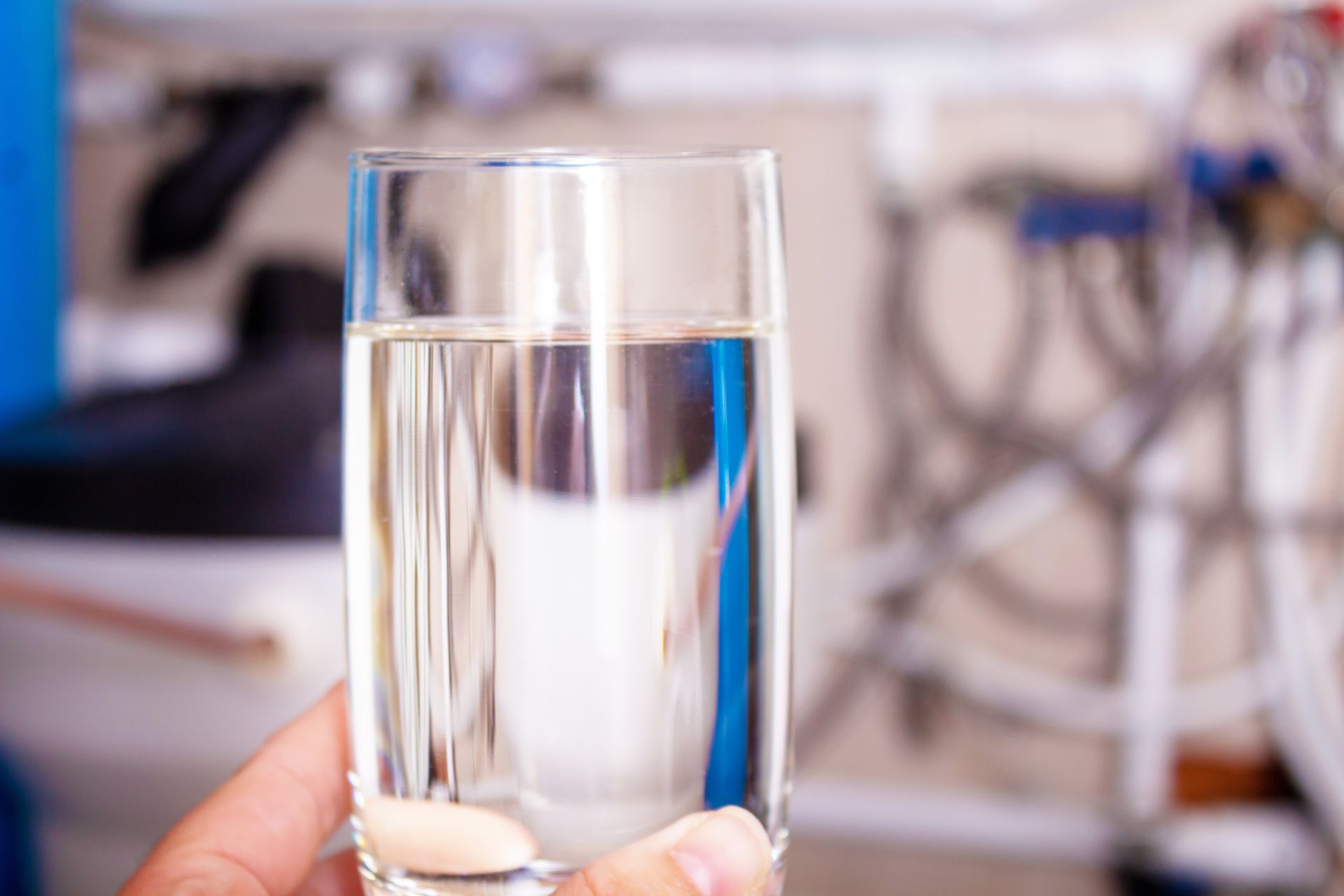
How Water Conditioning Addresses Scale Buildup
Installation begins with testing water hardness at the meter and again at key fixtures to measure how much mineral content drops across the existing system—this reveals whether scale has already narrowed pipes and where buildup is concentrated. Crest Plumbing LLC works with Molen, American Standard, Kohler, and Toto systems, and the conditioning approach depends on whether you need whole-home softening, point-of-use filtration, or a combination of both to address specific water quality issues like iron staining or chlorine taste.
Once the system is operational, you'll notice soap lathers more easily, water heater recovery time improves because heating elements stay clear of scale, and fixtures stop developing the white crust common in untreated Buckeye homes. The diagnostic-first sizing approach prevents the common problem of undersized softeners that work fine for a year and then fail to regenerate fast enough during high-demand periods, leaving you with intermittent hard water and continued scaling.
This service includes system sizing based on actual water test results and pipe condition, but it does not address existing scale that has already hardened inside pipes—removing that buildup requires separate pipe descaling or replacement depending on severity.
Questions About Water Conditioning Systems
Installing a water conditioning system in Buckeye often raises questions about sizing, maintenance, and what the system actually does to the water.
What does a water test measure before system sizing?
The test measures total dissolved solids, hardness in grains per gallon, pH, and specific minerals like calcium and magnesium—these numbers determine whether you need a softener, a filter, or both to address your water quality issues.
How does Buckeye's water hardness compare to other Valley cities?
Buckeye consistently tests above fifteen grains per gallon, which is considered very hard—other West Valley cities range from ten to thirteen grains, so systems sized for average Valley water often fail in Buckeye because they can't handle the higher mineral load.
When should I replace my water conditioning system instead of just adding salt?
If the resin bed inside the softener has lost its ion exchange capacity, adding salt won't restore performance—resin beads break down after several years of heavy use, and replacement becomes necessary when regeneration cycles no longer reduce hardness.
Why do some softeners work for a year and then stop softening effectively?
Undersized systems can't regenerate fast enough during high-demand periods, so hard water breaks through and scales your plumbing even though the softener is still running—correct sizing based on peak demand prevents this problem.
What happens to my plumbing if I don't install a water conditioning system?
Scale buildup narrows pipes over time, reducing water pressure and flow rate, and mineral deposits damage water heaters, dishwashers, and washing machines by coating heating elements and clogging valves—replacement costs accelerate in untreated homes.
Crest Plumbing LLC is a licensed plumber based in Buckeye, serving West Valley homeowners with water conditioning systems sized for local water chemistry. Schedule a water test to determine system requirements based on your property's actual hardness levels and pipe condition.