
Water Heating That Survives Valley Hard Water
Energy Efficient Water Heaters in Buckeye for properties where sediment buildup shortens heater lifespan and kills efficiency
Crest Plumbing LLC installs energy-efficient water heaters throughout Buckeye and the West Valley after performing sediment flush and anode rod assessment—two steps most installers skip before unit sizing. Valley hard water accelerates sediment buildup inside tanks, reducing efficiency and shortening equipment life, especially in Buckeye where mineral content ranks among the highest in the region. Your new heater works harder from day one if the system isn't prepped correctly before installation.
This service includes diagnosis-first sizing based on existing system condition, not just household count or square footage. The sediment flush clears mineral deposits from supply lines, and the anode rod assessment determines whether corrosion protection inside the old tank has been compromised—both factors affect how the new unit will perform and how long it lasts. Verrado and Tartesso communities generate high installation volume because many homes built in the early 2000s are reaching the end of their original heater lifespan, and undersized replacements fail within the first few heating cycles.
Schedule an on-site assessment to determine correct unit sizing and system prep requirements for your property.
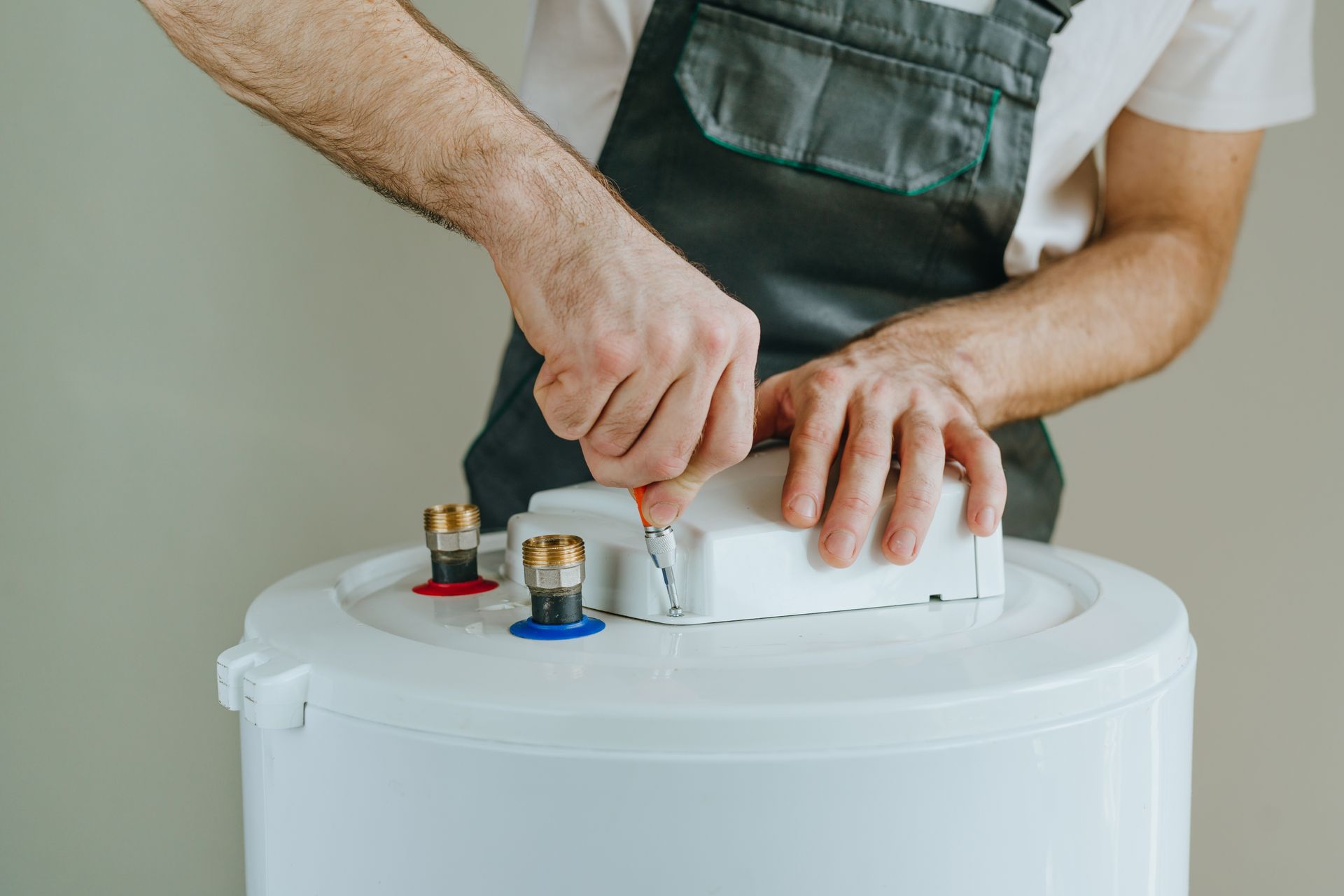
What Proper Installation Requires
Installation begins with pressure testing and inspection of existing supply lines to confirm they can support the flow rate and temperature range of the new unit. Crest Plumbing LLC works with Molen, American Standard, Kohler, and Toto units, and sizing is determined after measuring current demand patterns and assessing pipe material—copper, PEX, and galvanized all respond differently to Buckeye's aggressive water chemistry. Code-compliant permit handling is included with same-visit installation so the work passes inspection without delays or callbacks.
Once the unit is installed and operational, you'll notice consistent water temperature without the lag or fluctuation common with older heaters, and monthly energy costs drop because the system isn't working against sediment buildup or corroded components. The diagnosis-first approach prevents premature failure from undersized units or poorly prepped supply lines, which is why most replacements completed this way outlast swap-and-go installs by several years.
This service does not include removal of solar or tankless electric systems, and gas line modifications require separate evaluation if your current heater runs on propane or if the meter is undersized for the new unit's BTU rating.
What Homeowners Ask About Water Heater Upgrades
Replacing a water heater in Buckeye often raises questions about sizing, timing, and what the installation process actually involves.
What happens during the sediment flush before installation?
The flush clears mineral deposits from supply lines using a combination of pressure and descaling solution, which prevents the new heater from inheriting buildup that would otherwise reduce efficiency within the first month of operation.
How does Valley hard water affect energy-efficient water heaters differently than standard models?
Energy-efficient units rely on tighter tolerances and more precise temperature control, so sediment accumulation disrupts performance faster—Buckeye's water hardness means those efficiency gains disappear unless the system is prepped correctly before the new unit goes in.
When should I replace my water heater instead of repairing it?
If the anode rod is fully corroded, the tank is rusting from the inside, or sediment has hardened to the point where flushing no longer restores performance, replacement becomes more cost-effective than repeated repairs that only delay failure.
What size water heater do I need for my home?
Sizing depends on peak demand periods, fixture count, and whether you run multiple high-draw appliances simultaneously—household size alone doesn't account for actual usage patterns, which is why diagnosis-first sizing prevents undersized installs.
Why do some installers skip the anode rod assessment?
Checking the anode rod adds time to the job, and many installers prioritize speed over system longevity—but a corroded rod means the old tank was already failing internally, which affects how the new unit should be sized and prepped.
Crest Plumbing LLC is a licensed plumber serving Buckeye and the West Valley with a prep-first installation process that protects your investment from Valley water conditions. Request a property evaluation to review your current system condition and confirm correct unit sizing before replacement.